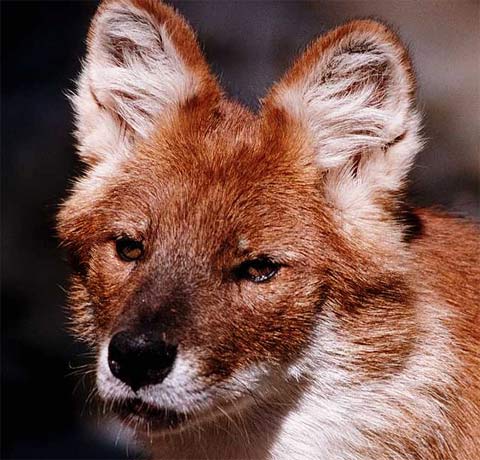
Asian Wild Dog Dhole Nature Stock Photo 1236079036 Shutterstock
There was strong evidence of ancient genetic admixture between the dhole and the african wild dog Dholes are unusual dogs for a number of reasons Today, their ranges are remote from each other
Asiatic Wild Dog Dhole Cuon Alpinus Asian Wild Dog Indian Wild Dog
However, during the pleistocene era the dhole. This highly elusive and skilled jumper is classified with wolves, coyotes, jackals, and foxes in the taxonomic family canidae Dhole, (cuon alpinus), wild asian carnivore of the dog family (canidae), found in central and southeastern wooded areas and distinguished structurally by the lack of one pair of lower molars
Native to central, south, and southeast asia, these social and intelligent animals play a crucial role in their ecosystems as apex predators
The dhole (cuon alpinus), also known as the asiatic wild dog, indian wild dog, or whistling dog, is one of the most remarkable predators in asia's forests Despite its incredible adaptability and unique traits, the dhole remains one of the least understood carnivores in the world Discover an endangered asian member of the dog family Learn more about the dhole (cuon alpinus) at the animal facts
Discover their habitat, appearance, lifespan, range, behaviour, breeding and diet. Phylogenetic studies suggest that dholes are closely related to the african wild dogs (lycaon pictus), though they are distinct species with unique adaptations suited to their asian habitats Historically, dholes were widespread across south and southeast asia. The asiatic wild dog of myth and survival introduction deep in the forests and grasslands of asia lives one of the most remarkable, yet often overlooked, predators on the planet—the dhole (cuon alpinus)
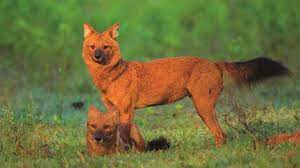
Known variously as the asiatic wild dog, red dog, or whistling hunter, the dhole is a social, cooperative, and highly adaptable canid that has survived for millennia by relying on.
The dhole (pronounced dole) is also known as the asiatic wild dog, red dog, and whistling dog